

Welcome to Disability Pride Month!
July 6, 2026
Welcome to Disability Pride Month!
Written by: Jamilia Martineau-Lopez, NCCASA Prevention Capacity Building Manager
As I reflected on this year’s theme, “The world works better with us”, I was overcome with heavy rage and grief (emotions all too familiar to many fellow disabled people) because I still observe disability ignored, viewed as a burden, and considered only as a box to check off or an afterthought in our work.
Last year we lost leading disability justice and anti-violence thinker and activist, Alice Wong. She was instrumental in reshaping how we think about the intersection of sexual violence and disability by naming a truth: ableism is not just randomly connected to sexual violence and rape culture - it a key condition that enables and perpetuates it. She dedicated her life to platforming disabled people as the experts of their own lived experiences, challenging society’s instinct to infantalize and asexualize disabled people as being incapable of consent, and refusing to separate discussions of sexual violence from discussions of disabled intimacy and pleasure. Her work inspires my agitation to us all today: If our goal is to truly and sustainably end sexual violence, we will be required to confront and dismantle ableism in all its forms (institutional, interpersonal, and internalized).
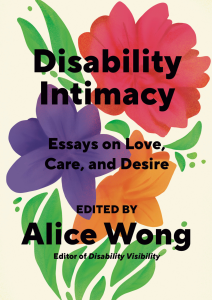
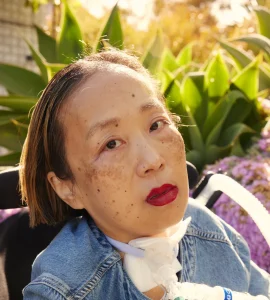
(This image is split into two sides. On the left, there is a book cover framed against a dark background. The cover features a soft beige center bordered by bold, tropical-looking green leaves and a few warm red floral accents. The title reads “Disability Intimacy”, with smaller text beneath indicating it is “Essays on Love, Care, and Desire” by Alice Wong. On the right side is a portrait of a smiling Alice Wong wearing a medical breathing device connected by a clear tube, dressed in a vibrant, geometric-patterned shirt in blues, oranges, and reds.)
We have long known that disabled people are more likely to experience sexual violence and less likely to have their assaults reported, yet across the U.S. almost all states (including North Carolina) do not explicitly tailor or mandate any sex education programs to meet the accessibility, cognitive, or physical needs of the disability community. Even when it is available students with intellectual, developmental, or physical disabilities are frequently pulled out of sex ed and prevention programming, leaving them to rely on incomplete or inaccurate information. If there is such a stark disparity for disabled people in sexual violence, why aren’t we more intentional about centering disability as the starting point for planning our interventions?
As we take time this month to reflect, I ask the following questions of our organizations:
- Do we recognize disabled people’s right to desire, consent to, and be included in education about sexuality and relationships?
- How are we affirming that disabled people's sexual agency is a form of violence prevention?
- What would it look like for our organizations to confront ableism and center disability in our work?
Later this month, I look forward to diving deeper into these concepts in a conversation with disability coach and founder of Disability Reclaimed, Delphine Andrews. Keep an eye out for more details to come!
If you are looking for somewhere to start, check out these offerings:
Sins Invalid’s 10 Principles of Disability Justice
PCAR’s Disability Justice Curriculum
Disability Justice and Prevention resources compiled by Respect Together
NSVRC's Resource - Disability: Understanding Ableism, Sexual Violence, and Healthy Sexuality
Disability Justice Booklist - National Sexual Violence Resource Center (NSVRC)
Offerings For Groups by the PeoplesHub